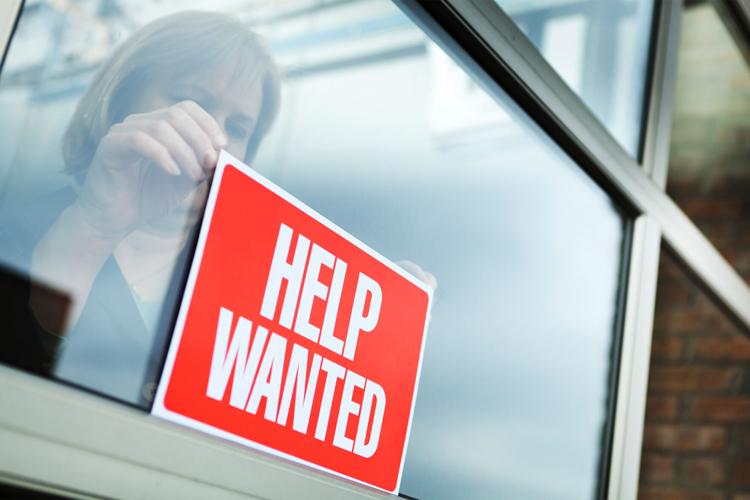

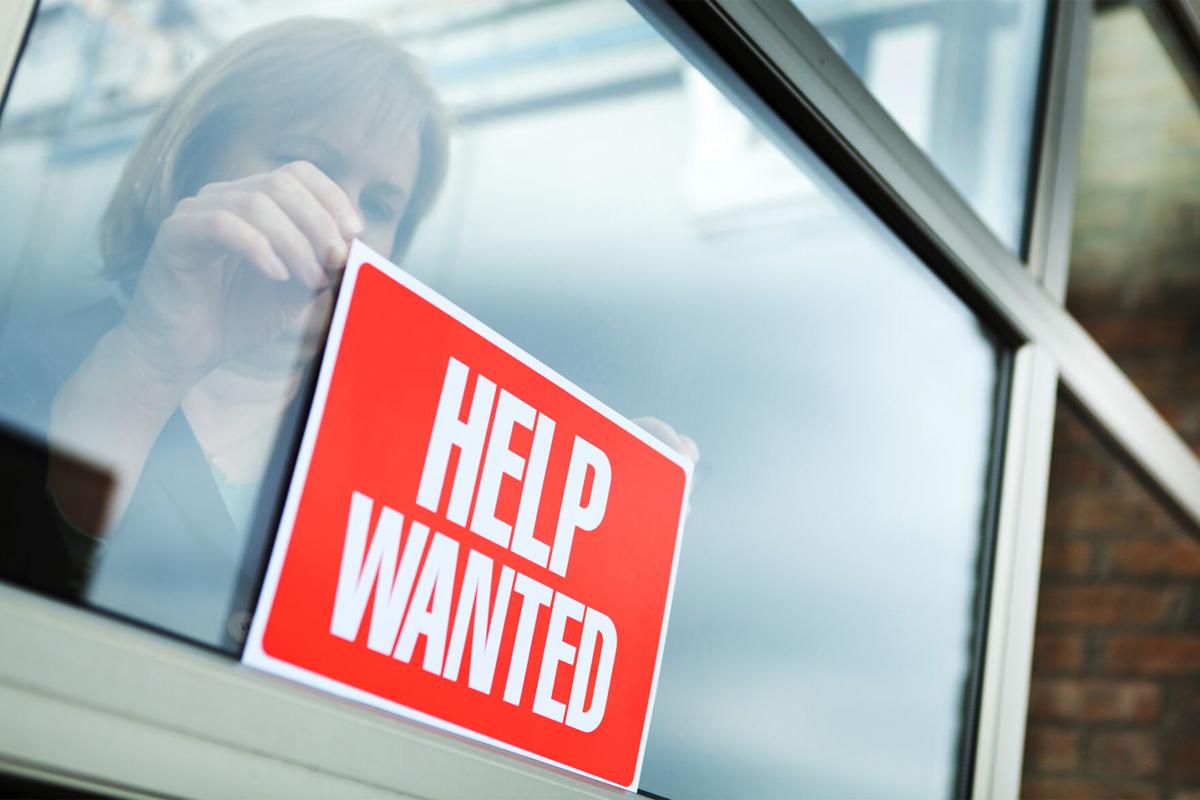
The signs are everywhere – quite literally. As Western New York re-emerges from lockdown, “Now hiring” signs are popping up all across the region, from mom-and-pop storefronts to major employers whose work forces number in the thousands.
But, what does the employment sector look like in a post-Covid world? Is working from home here to stay?
Factors both technological and economic have been forcing rapid changes in the labor market …
“That depends on the type of job,” says Katerina Bezrukova, an associate professor in the University at Buffalo School of Management. “For some jobs, the answer is yes and they never go back to pre-Covid. Some leaders, however, never believed in working from home, so they will make people return no matter what.”
Although the pandemic disrupted large swaths of the economy, there are several success stories: M&T Bank and Rich Products both adapted to remote work, and grew.
People are also reading…
Early on in the pandemic, M&T formed a “New Normal Taskforce” charged with examining and offering ideas and solutions. The Taskforce moved 90% of the company’s non-branch employees – roughly 13,000 individuals – into a work-from-home posture in a matter of days while preserving business continuity. Employee engagement increased by four percentage points to 88% in 2020.
M&T also reconfigured millions of square feet of office space for an eventual return to the office, with all offices recently reopening for voluntary return while the company solicits feedback from employees on their experiences with different work environments.
And M&T has gone on a hiring spree, adding 2,782 employees in Western New York since July 2020. As of early July the bank had more than 600 open positions available locally.
“We’ve been consistently recruiting right through the pandemic,” said Cindy Warkentin, M&T’s director of talent acquisition and mobility. “We continue to bring in talent and develop that talent.”
While there are lots of entry-level employment opportunities at M&T, the bank’s biggest push has been in the technology sector. M&T previously announced plans to hire 1,000 technologists over the next several years, and has already achieved more than half of that goal.
Also during the pandemic, M&T launched two new tech-focused workforce development programs, including a tech apprenticeship program (the Z Development Program) that provides a pathway for people with little to no technology experience to start careers as entry-level mainframe technologists.
Reopening the economy may have ramped up new hiring, but employees who already have some time in with their current organization certainly can leverage their situation for a raise – if they have good negotiation skills, says UB’s Bezrukova.
“When negotiating raises, collecting information and doing your homework is very important to present your case,” says Bezrukova, who teaches a class on negotiation.
Rich Products didn’t let the pandemic disrupt its employee recognition efforts. In fact, Rich’s promoted more than 130 associates in Western New York over the past year, and is also hiring.
“We promote ‘career lattice,’ where our people are encouraged to pursue opportunities across different functions and departments, if they so choose,” says Ed Moore, Rich’s chief human resources officer. “It’s important to us that associates are empowered to advance and shape their career, so they don’t feel like they need to leave Rich’s for new opportunities.”
Like M&T, Rich’s has also experienced a great deal of growth despite the disruptions caused by Covid-19.
“Rich’s emerged from the pandemic in a very strong position,” Moore says, adding that the company completed five acquisitions between December 2019 and January 2021.
Technology has been critical to Rich Products’ recent growth. “We’re embedding new technology into all functions of our business and we’re laser focused on attracting, developing and retaining talent,” Moore said.
“As a global company that’s been headquartered in Western New York for more than 75 years, we’re excited about the role we play in the incredible tech transformation happening in this region. Like many other organizations in the area, we have a shared passion for turning Buffalo into a tech hub – creating new opportunities that will shape the future of the city.”
Rich’s will begin reopening its offices in September, and is targeting January for a full reopening with a new hybrid approach to working. “We’re taking a phased approach to this hybrid roll out to support the flexibility we know our associates want and need,” Moore said.
Even before the pandemic, Rich’s had established a global policy to support flexible work.
Whether other organizations follow suit on allowing employees to work from home depends on trust from the top, says UB’s Bezrukova.
“It really hinges on, if there is enough organizational trust in people, then they typically have more flexible arrangements.”
3 ways the pandemic helped – and hurt – workers

In ways both good and bad, the pandemic changed the American workforce. Katerina Bezrukova, an associate professor in the University at Buffalo School of Management, offered three observations about how the pandemic has helped, and hurt, the worker bees.
1. A renewed focus on work/life balance:
“The pandemic highlighted the importance of work/life balance more than before,” Bezrukova said. “A lot of customer-service jobs previously expected people to come in at a moment’s notice when business picked up. The pandemic showed that this is unreasonable for a lot of people with families.”
2. Working from home means fewer commuters
“People are reconsidering jobs with long commutes since it’s obvious that for much economy people are just fine working from home. The workplaces have changed, more time will be spent working from home.”
3. Workforce automation means jobs are being eliminated
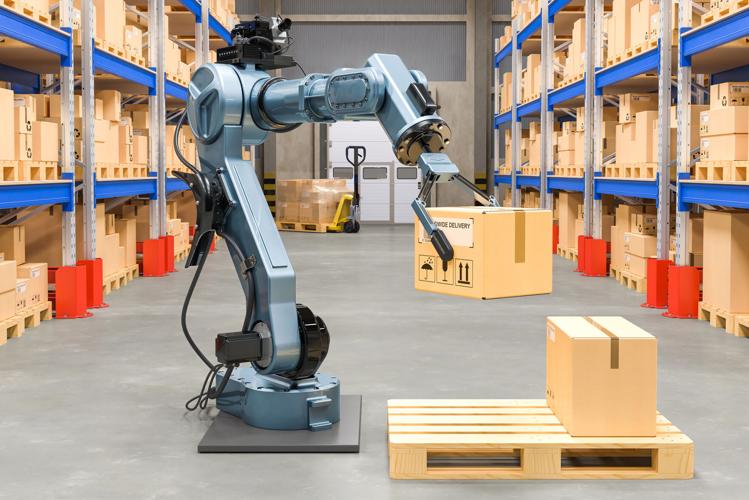
“In some sectors automation has accelerated due to the pandemic,” she said. “For example, if you are driving anywhere in New York, you won’t see any toll workers. All toll plazas have been automated. Other jobs experience similar trends. We know there has been a move to automate routine jobs, but it seems some changes have been coming faster.”