
From reasonable questions to the patently absurd, there exists a lot of misinformation out there about the safety and effectiveness of Covid-19 vaccines.

To better reach the veteran community and make Covid-19 vaccines readily available, VA Weste…
Separating myths from reality is an important part of informing the public, and increasing the nation’s vaccination rate with the goal of reaching what scientists refer to as “herd immunity” – the stage where a virus like the one that causes Covid-19 can no longer find enough hosts to circulate widely.
Here’s a look at some of the most common questions and myths about the Covid-19 vaccines that are approved for use in the United States.
Myth
The Covid-19 vaccine technology is so new that no one really knows what the long-term effects are on people.
Facts
People are also reading…
There are two different types of Covid-19 vaccines. One, created by the company Johnson & Johnson, uses the traditional method of introducing a deactivated (essentially dead) version of the SARS-CoV-2 virus into the body to trigger our natural immune system to respond. The J&J vaccine works just like the flu shot received by millions of Americans every year.
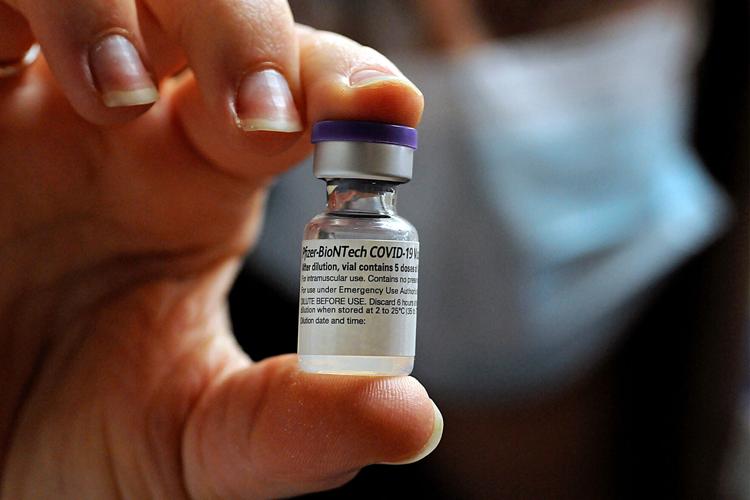
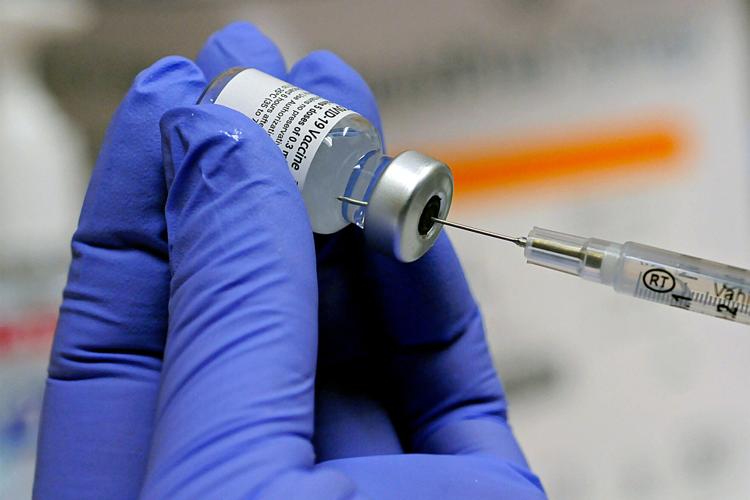
The myth of a “new” type of vaccine surrounds the doses created by Pfizer-BioNTech and Moderna. These vaccines use what’s known as mRNA. The drug-makers grow a portion of the virus known as its “spike protein” in a laboratory setting. When this protein is injected into the body, it, too, triggers an immune system response. A second booster dose three to four weeks later helps strengthen the body’s memory of the spike protein should we come in contact with the real SARS-CoV-2 virus.

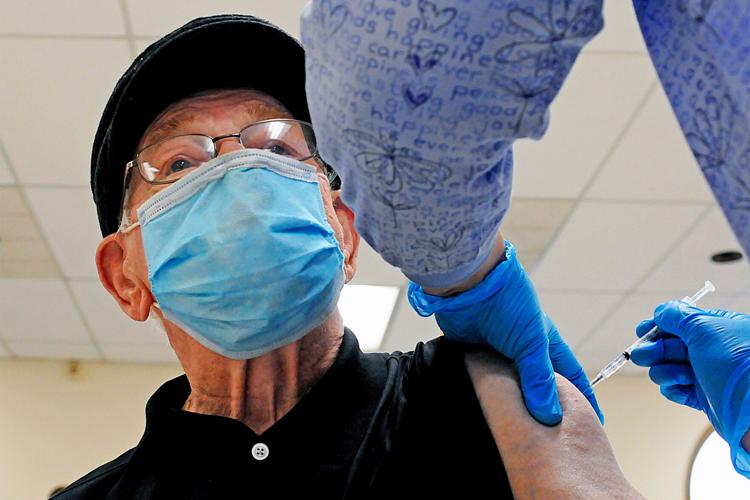
Covid-19 vaccines are now readily available at local pharmacies and doctors offices throughout Western New York.
While it’s true that the FDA had never approved a vaccine using mRNA technology for use before the Covid-19 pandemic, the process itself is not new. In fact, the drug companies have been perfecting it for about a decade prior to the pandemic. Research using mRNA for vaccines began in response to the 2003 SARS outbreak that began in Asia and spread throughout the world, most notably in Toronto, Canada.
Like the Covid-19 virus, the SARS pandemic was also caused by a novel coronavirus, which allowed researchers to quickly pivot the work they’d been doing on a SARS vaccine to one that would protect people from developing Covid-19.
Myth
Lots of people are asymptomatic when they get Covid-19 while the vaccines cause side effects that are much worse.
Facts
One of the most confounding elements of the Covid-19 pandemic is the significant number of people who become infected, but never develop symptoms. The CDC estimates that 30% of all Covid-19 cases are asymptomatic, though the number is difficult to truly now because, by nature, people who don’t show any symptoms are less likely to be tested. Additionally, scientists have not been able to figure out what makes a person asymptomatic, versus those who develop mild symptoms, and those who have a severe or fatal case. By now, everyone is familiar with some of the underlying health conditions that make it more likely for someone to develop severe Covid-19 infections, but there’s no true way of knowing if you would be one of the lucky ones or not.
By contrast, the vaccine side effects are better tracked, and for the most part they are mild and short-lived. About half of people never experience any vaccine side effects. The most common side effects for those who do experience them are soreness in the arm where they received the shot and flu-like symptoms that can come on within a day or so of an injection. People have reported developing a fever, chills, body aches and fatigue.

Typically, these side effects go away within 24 to 48 hours and can be associated with either the first or second dose.
What’s important to remember is that side effects are basically just further proof the vaccine is working. Our bodies develop these symptoms in response to what it believes is a compromised immune system. But because the vaccines can’t actually make us sick, it’s just a false alarm.
Also, it isn’t often that we can plan to feel lousy, but since we’re all scheduling these shots in advance, be smart and give yourself a light day. If you wind up needing to stay in bed, know that it will only be a brief stay, versus what could be a weeks-long recovery in quarantine if you were to have gotten sick from the actual virus.
Myth
I already had Covid-19 so I’ve got natural immunity and I don’t need to get a vaccine.
Facts
It is true that our bodies develop a natural immunity from a virus once we’ve had it. That’s why people don’t get chicken pox twice, for example.
However, medical experts don’t know how long that natural immunity will last for the Covid-19 virus. The CDC estimates that it’s unlikely someone would be reinfected within three months of their initial infection; and it’s likely that our immune systems retain some measure of ability to fight off subsequent infections more quickly.
However, immunity isn’t like a light switch that’s either on or off. It’s more like a dimmer, with varying degrees of brightness, from all the way up to barely detectable. The level of immunity our bodies develop from a vaccine is higher than the natural immunity we might develop after our first infection.
And while the vaccines might not provide 100% immunity from a mild case, all the vaccines have proven extremely effective against preventing severe symptoms that might require hospitalization, or a risk of death.
Myth
The vaccine is created by the government to track or control the population.
Facts
Think logically about this. If the government, or big tech, or anyone for that matter, really wanted to track you and control your thoughts, hacking your cell phone or just reading your Facebook page is a much easier way to do it. This claim is based on highly speculative conspiracy theorizing with no evidence to support it.