
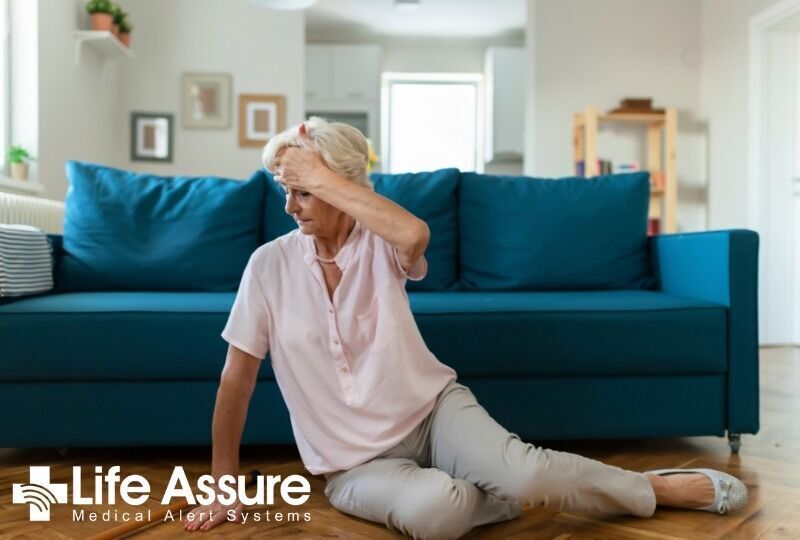
Falls are often described as sudden, isolated events. For many older adults, the most serious danger begins after the fall itself. When a senior falls while alone, the injury is only part of the risk. The minutes, and in some cases hours, spent waiting for help can quietly shape recovery, hospitalization outcomes, and long-term independence.
This delay is rarely discussed in conversations about fall prevention. It represents a growing safety gap as more seniors age in place without daily supervision.
Falls Are Common. Delays Increase the Risk
Falls remain one of the leading causes of injury among older adults. What receives less attention is how often these incidents occur when no one else is present. In those situations, the inability to reach help quickly can turn a manageable injury into a serious medical emergency.
People are also reading…
Educational research on emergency response systems shows that older adults who fall without access to immediate assistance may remain on the floor for extended periods, particularly during overnight hours. These delays raise the risk of dehydration, hypothermia, pressure-related injuries, and muscle breakdown, all of which are associated with longer hospital stays and reduced mobility after discharge.
The danger lies not only in falling, but in how long help takes to arrive.
What Happens During the Hidden Minutes
Medical research suggests that the waiting period after a fall follows a predictable pattern, with risks increasing as time passes. In the first several minutes, disorientation, shock, and pain are common. Many individuals believe they will be able to stand up on their own, which delays any attempt to seek assistance.
As time stretches from minutes into an hour, pain often intensifies and movement becomes more difficult. Anxiety tends to increase, particularly when the person cannot reach a phone or call out for help. When immobility extends beyond an hour, the likelihood of complications rises sharply. Studies link longer time spent on the floor with higher hospitalization rates and a reduced chance of returning to pre-fall mobility.
These hidden minutes often shape long-term outcomes more than the fall itself.
Why Many Seniors Hesitate to Call for Help
Delays are not always caused by a lack of resources. Behavioral research shows that many older adults hesitate to seek assistance after a fall because of concerns about independence, embarrassment, or fear of overreacting. Physical barriers also play a role, especially when a phone or alert device is out of reach. In other cases, individuals believe the situation will improve without outside help.
These factors are especially common among seniors who live alone, which helps explain why response times are often longer in single-occupancy households.
Understanding these patterns helps clarify why response time varies so widely after a fall.
Reducing Response Time Through Support Systems
Emergency response systems designed for older adults aim to close the gap between injury and assistance. Wearable alert devices and automated fall detection tools can reduce response times by contacting emergency services or caregivers shortly after a fall occurs.
Educational overviews of these systems show that faster alerts are associated with quicker medical intervention and fewer secondary complications. While no solution can prevent every fall, shorter periods without help are consistently linked to better recovery outcomes.
Why the Waiting Gap Matters More Than Ever
As populations age and more seniors choose to live independently, delayed assistance after falls is becoming a wider societal issue. Healthcare providers, caregivers, insurers, and policymakers are paying closer attention to the time between injury and care, recognizing how strongly it influences outcomes.
The concept of hidden minutes reframes falls as time-sensitive emergencies rather than isolated accidents. Addressing this gap will play an increasing role as aging in place continues to expand, shaping how safety, support, and independence are balanced for older adults.