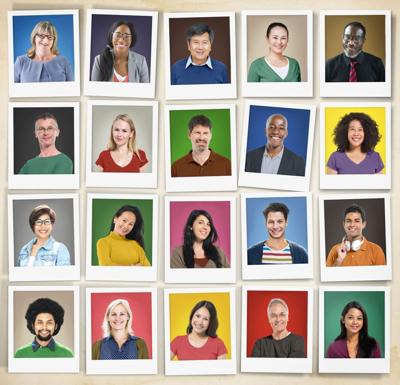


Photo provided by DepositPhotos
A profile photo is the smallest asset on a LinkedIn page, a circle of a few hundred pixels wide. By the platform's own numbers, it also carries outsized weight: Profiles that have one draw far more attention than profiles that do not. As the job market tightened through late 2025, AI-generated headshots began appearing across LinkedIn in volume, and CNBC reported the shift in October. The trend raised an obvious question: does swapping a studio photo for an AI one actually change how a profile performs? The data that answers it was already on the record.
Profiles with a Photo Draw Up to 21 Times More Views
Start with the number. LinkedIn's own published data show profiles with a photo receive up to 21 times more profile views and up to 36 times more messages than profiles without one. The figures compare having a photo to having none, so they measure presence rather than polish. But they set the stakes. Before a recruiter reads a headline or scans a work history, the photo is the first thing loaded and the first thing judged. Job seekers appear to know it: In Canva's 2025 New Year, New Job report, 88% said a strong professional brand improves their odds, a share that nearly doubled from the prior year.
People are also reading…
The Price of a Polished Headshot Dropped From the Hundreds to Under $50
For years, a studio session was the cost of entry, and that ran into the hundreds of dollars. CNBC reported that job seekers are now reaching for AI tools that deliver a usable result for under $50, cutting the price of a polished headshot by roughly fourfold. The demand is not a blip. For scale, MarketsandMarkets projects the AI image generator market will grow from $8.7 billion in 2024 to $60.8 billion by 2030, a compound annual rate of about 38%. Cheap, fast image editing stopped being a novelty and became routine, and job seekers noticed before most employers did.
Editing a Real Photo Sidesteps the Authenticity Problem
The catch surfaced quickly. LinkedIn's guidance is direct: a profile photo has to look like the person in it. That line separates two very different uses of the same technology. Fabricating a face invites the distrust recruiters have started to voice about images that read as too smooth. Cleaning up a real one does not. The version most people are reaching for is enhancement, like removing a cluttered background or sharpening a low-resolution phone shot. All-in-one editors such as StockCake's AI tools handle that kind of cleanup alongside generation, which is what makes the affordable path also the defensible one. The photo still shows the actual candidate, just on a better day.
Falling Costs Narrow a Barrier That Long Favored Wealthier Applicants
A polished first impression used to require disposable income and access to a good photographer, advantages that skewed toward candidates who already had a head start. Pushing that cost toward zero narrows the gap. The change also arrives as employers automate more of the hiring process: Among organizations that use AI in recruiting, 44% use it to screen resumes, according to SHRM's “2025 Talent Trends: AI in HR” report. On the applicant side, how far the technology goes is still bounded by LinkedIn's likeness rule, which continues to reward enhancement of a genuine photo over a generated one.