
When the Ralph C. Wilson, Jr. Foundation was founded in 2015, its four life trustees identified young adults and working families as sectors of the population it wanted to invest in.
The trustees had observed the traditional school system focus almost exclusively on four-year colleges and universities following high school graduation, yet jobs that required a different kind of credential or skills were going unfilled in places like Buffalo and Southeast Michigan.
Since the Covid-19 pandemic, discussions around how to re-energize pathways to middle skill and middle wage jobs have only accelerated. The Great Resignation has changed the workforce market space, and more than $40 billion in American Rescue Plan funds are committed to strengthening and expanding the workforce – including access for underserved populations.
“Suddenly, we’ve got this ability to perhaps fan the flames of a much larger fire to move along workforce training into middle skill, middle wage and manufacturing jobs,” says Dave Egner, president and CEO of the Wilson Foundation. “The timing seems to be just right to have this kind of conversation.”
The Wilson Foundation is bringing awareness to the topic of workforce development in Season 2 of its award-winning Tight Knit podcast. In all eight episodes, employers, employees and job seekers share their stories about how they’re navigating the systems that can support or impede their success.
“The podcast producers went to job fairs, they talked to students, they talked to employers,” says Susan Dundon, director, young adults & working families, at the Wilson Foundation. “It gives a level of clarity and brings a face to the issues that are happening in the workforce.”
Episode one begins by defining workforce development and job training before moving on to other topics such as the role of education, evolving hiring practices and employee retention.
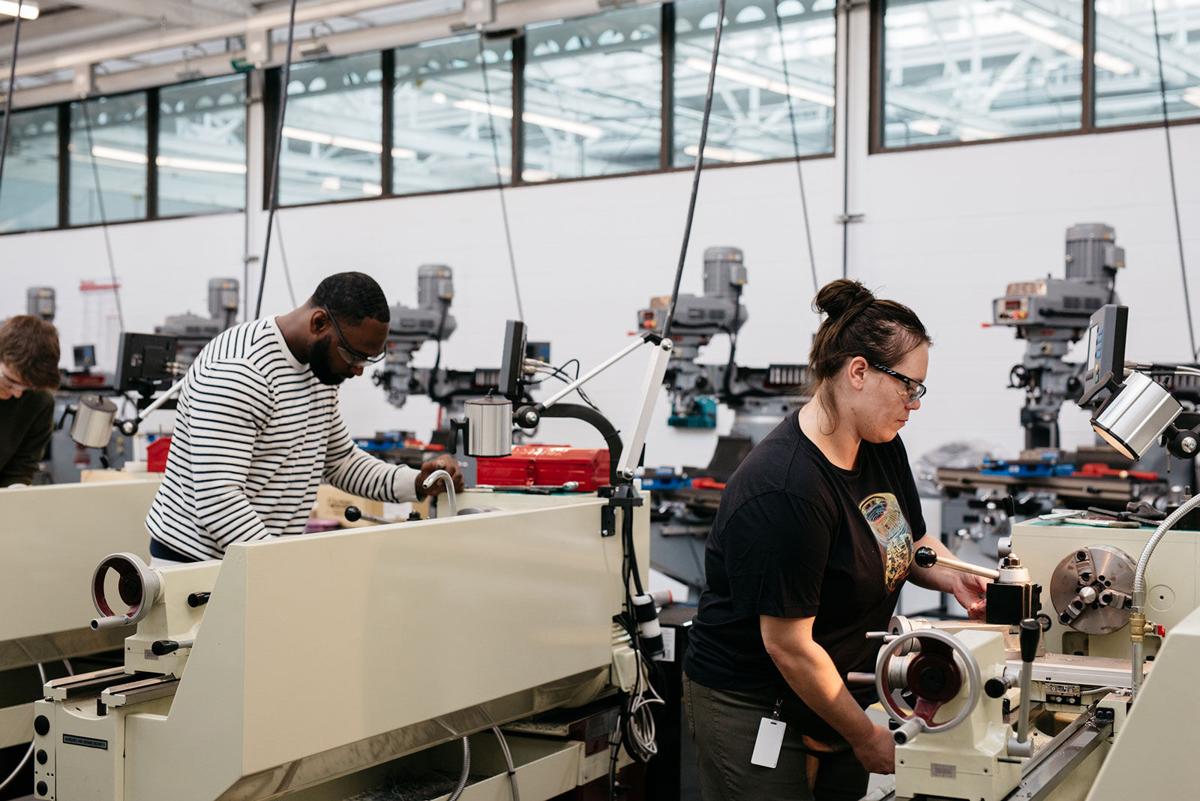
Northland Workforce Training Center and Say Yes Buffalo bring a Western New York perspective to the series by bringing listeners into what advanced manufacturing looks like today and where it’s going in the future.
The podcast ultimately aims to identify industry gaps and opportunities by building stronger relationships between training centers, employers, job seekers and policymakers. That will allow them to have meaningful conversations about the roles they can fill to address the workforce development shortcomings in Buffalo and beyond.
"It’s our hope that people will see themselves as providing solutions and bridges in a really complex system,” Egner says. “It’s so clear that there’s not going to be one solution, so we need lots of pilots, lots of tests, lots of bridges, lots of help – that's the only way this is going to work. If we don't get smarter at making these connections and people, including employers, don't see themselves as part of the solution, I don't think we solve this problem.”
Listen to Tight Knit Season 2: Workforce Development at TightKnit.org or wherever you get your podcasts.