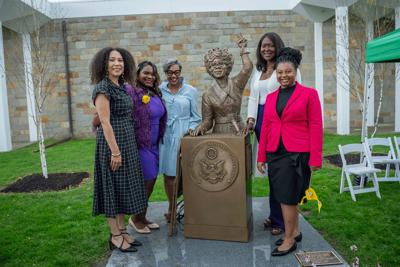

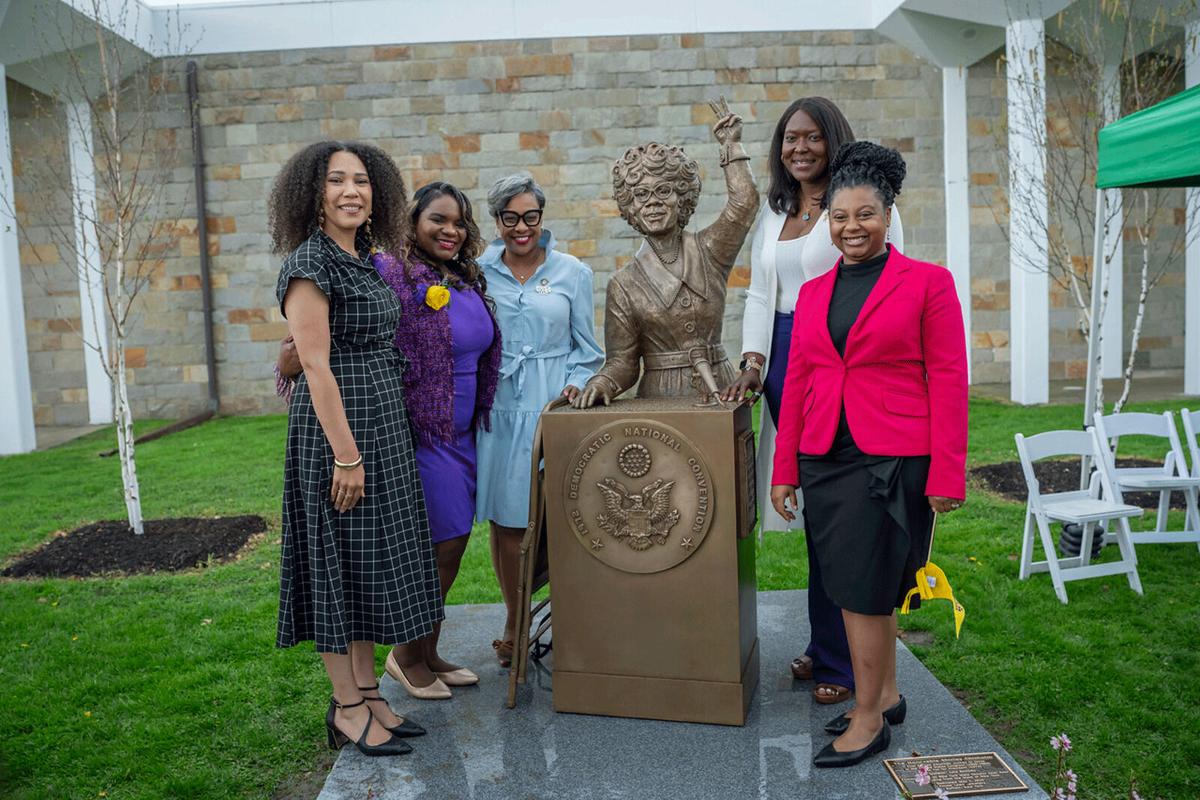
Rick James. Mary Talbert. Shirley Chisholm. These are just a few of the African American visionaries that call Forest Lawn home. CEO Julie Snyder sits down with Dr. Barbara Seals Nevergold: educator, activist and historian for Forest Lawn’s guided tours. Dr. Nevergold tells the stories that brought these innovators to Buffalo and how a cemetery can be used as a historical resource.
From legendary funk musician Rick James to pioneering politician Shirley Chisolm and civil rights trailblazer Mary B. Talbert, Forest Lawn Cemetery serves as the final resting place to some of the nation’s most well-known African American leaders.
That’s no accident. From its founding, the cemetery was nonsectarian and inclusive, says Forest Lawn CEO Julie Snyder. Records show that Forest Lawn included African American burials and plot purchases as early as the 1850s.
The turn of the 19th century marked the start of the Great Migration, where millions of African Americans fled violence and Jim Crow laws in the south for job opportunities and the chance of a better life in northern cities, including Buffalo.
“They brought with them culture, food … that were symbolic of the south,” explains educator and advocate Barbara Seals Nevergold, Ph.D., co-founder of the Uncrowned Queens Institute and board member of the Afro-American Historical Association of the Niagara Frontier. “They maintained a connection between where they came from and where they ended up. And they contributed to the enrichment of the culture and businesses and churches here in the community.”
To honor the many African American stories to be found in the cemetery, the association has partnered with Forest Lawn to offer an updated African American Ancestral trolley tour with two upcoming dates: July 11 and Aug. 1. It starts at the Civil War gravesites and goes through modern day, and reenactors make it a can’t-miss tour, says Snyder.
“The guests who are on the trolley will have an opportunity to meet some of the residents and have a short conversation and hear, from the viewpoint of the resident, why they’re here and what they want to impart,” Nevergold says. “The community response has been very positive.”
The collaboration between the two organizations began around 2001 as an effort to share African American history with the community. Patrick Kavanagh, Forest Lawn historian at that time, pulled resident biographical information and locations from the cemetery’s records that the association might want to include.
“He did a lot of that groundwork … then proceeded to work with us in developing the routes for the tours,” Nevergold says.
This new and updated African American Ancestral tour reflects the many developments and findings in local African American history since that initial collaboration.
Nevergold shared a poem written by African American journalist Edward William Crosby (1850-1912) that reinforces the historical weight of Forest Lawn Cemetery. The first journalist of color for The Buffalo Times newspaper, Crosby wrote the piece in 1898. It reads in part:
“Grim-visaged monsters all about; the young forsake the old / There's no sadness like a war tale if well and truly told / Someday we'll go to Forest Lawn and sitting by those graves / I'll tell you about that wartime when Lincoln freed the slaves.”
For more fascinating stories and information on African American history at Forest Lawn, check out the podcast linked at the beginning of this article.