


BUFFALO, N.Y. — Nau mai, haere mai. This traditional Māori phrase means “welcome, come in.” From April 21–23, more than 700 delegates representing over 30 countries gathered for the World Indigenous Cancer Conference (WICC 2026), a global convening grounded in Indigenous leadership, equity and collective wellbeing in Aotearoa – the original Māori name of what is now known as New Zealand.
Hosted in partnership with Hei Āhuru Mōwai and Te Rau Ora, WICC 2026 brought together researchers, clinicians, leaders and community knowledge holders to advance Indigenous-led solutions in cancer prevention, care and survivorship.
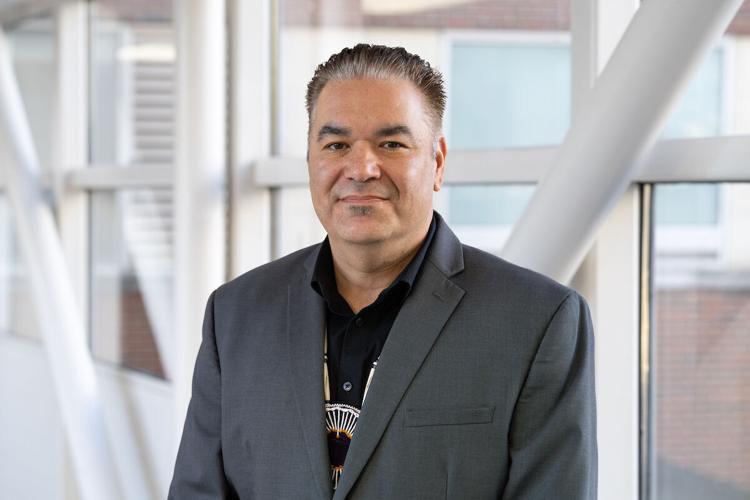
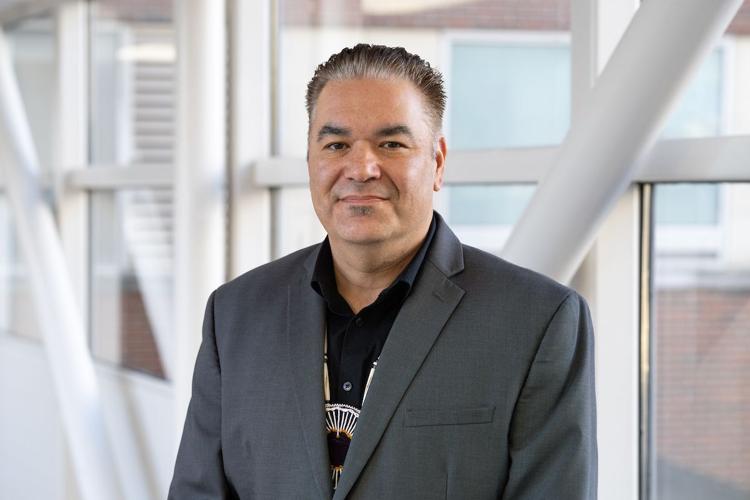
A defining moment of the conference was the Opening Plenary co-delivered by Rodney C. Haring, PhD, MSW (Seneca Nation, Beaver Clan) — Chair of the Department of Indigenous Cancer Health at Roswell Park Comprehensive Cancer Center.
People are also reading…
His plenary, “Treaty, Cancer, and World Health,” centered treaty rights as living frameworks for health, advancing a Nation-to-Nation approach to cancer equity, governance and global responsibility. It aired at the opening of the conference with production support from Roswell Park’s Health Communications Shared Resource.
“Our treaties are not histories of the past—they are living agreements that guide how we care for our people,” says Dr. Haring. “When we center treaty, we center responsibility—to each other, to our Nations, and to future generations.”
Invited by the World Indigenous Conference Scientific Committee, the conference elevated governance and sovereignty through Indigenous leadership, including President J.C. Seneca (Seneca Nation), who delivered multiple presentations advancing Nation-to-Nation based health governance, importance of survivor stories, need for Indigenous cancer health research collaborations across and with Indigenous communities globally, and international policy collaborations.
A highlight of WICC 2026 was the presentation of a long-standing government-to-government cancer education and workforce development model between Roswell Park and the Saint Regis Mohawk Tribe (Akwesasne) — a collaboration that has trained nearly 100 Mohawk students in cancer sciences.
Hugh Burnam, PhD, and Haley Cree (Saint Regis Mohawk Tribe) presented this model, emphasizing pathways into cancer research and health professions.
Ansley Hill (Saint Regis Mohawk Tribe; Rochester Institute of Technology) presented her research in collaboration with Dr. Brian Betts (Roswell Park), focusing on:
- CAR T-cell therapy
- Breast cancer translational science
Her work reflects the strength and future of Indigenous student leadership in cutting-edge cancer research and innovation.
WICC 2026 also marked the global release of Dr. Haring’s first book, Indigenous Genetics, Biobanking, Chemistry, and Cancer Research, published by Springer Nature and available open access worldwide.
This volume brings forward Indigenous intellect, sovereignty and scientific leadership — centering data governance, Nation-to-Nation relationships and the future of cancer research.
Dr. Haring acknowledged global Indigenous scholars and contributing authors in attendance, including:
- Māile Taualii (Kānaka Maoli/Native Hawaiian; Kaiser Permanente Hawaiʻi)
- Dornell Pete (Diné/Navajo Nation; Fred Hutch Cancer Center)
The official global book launch was hosted during WICC by Roswell Park’s Department of Indigenous Cancer Health, led by Dr. Hugh Burnam (Mohawk, Wolf Clan), in partnership with the Saint Regis Mohawk Tribe (Akwesasne).
From the world’s first chemotherapy research to the PSA prostate cancer biomarker, Roswell Park Comprehensive Cancer Center generates innovations that shape how cancer is detected, treated and prevented worldwide. The Roswell Park team of 4,000+ makes compassionate, patient-centered cancer care and services accessible across New York State and beyond. Rated “Exceptional” by the National Cancer Institute, Roswell Park, founded in 1898, was one of the first NCI-designated comprehensive cancer centers in the country and remains the only one in Upstate New York. To learn more about Roswell Park Comprehensive Cancer Center and the Roswell Park Care Network, visit www.roswellpark.org, call 1-800-ROSWELL (1-800-767-9355) or email ASKRoswell@RoswellPark.org.


