
With Covid-19 disrupting so much of Buffalo Niagara's everyday life and its economic foundation, getting back to normal won't happen overnight. We asked a group of Buffalo Niagara leaders what the region needs to do to emerge from the pandemic stronger.
***
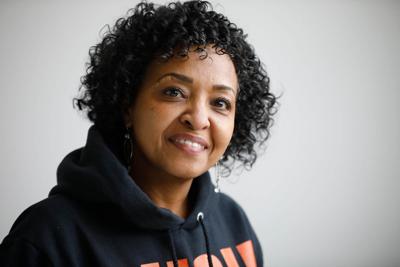
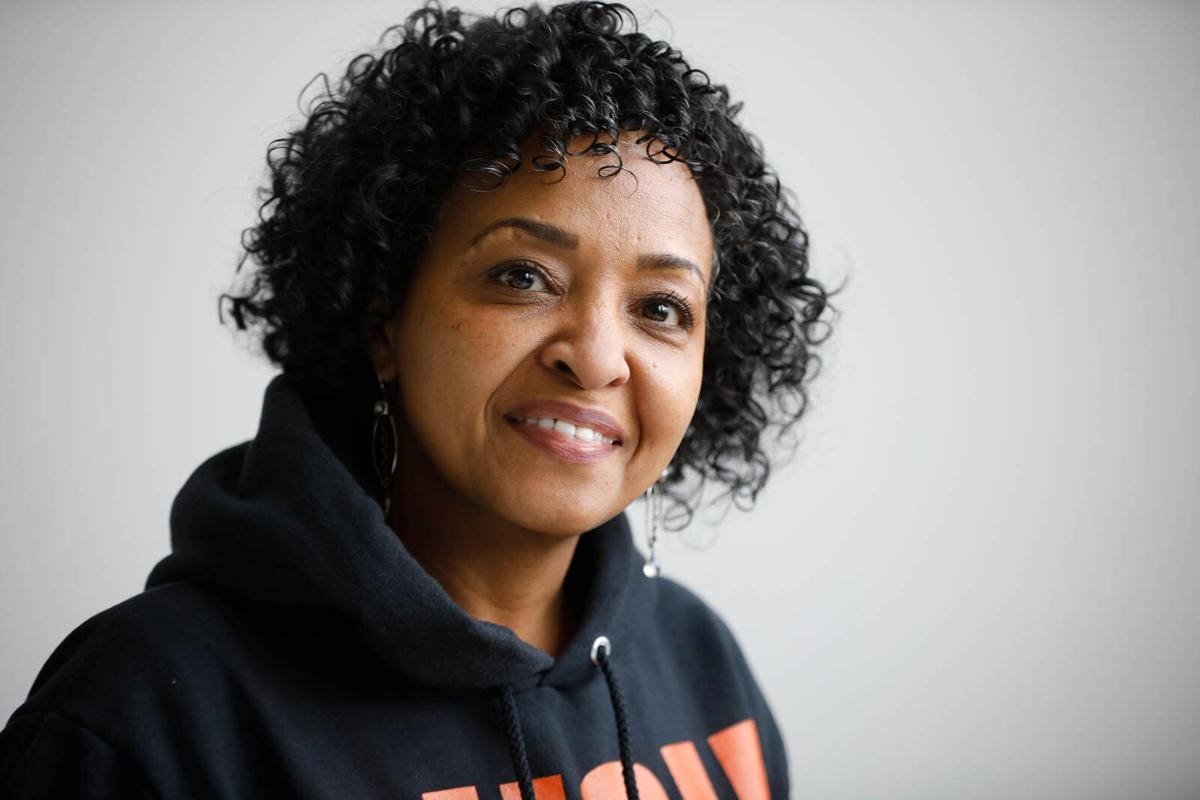
Rahwa Ghirmatzion sees a world of possibility for Buffalo Niagara after it rebounds from the pandemic.
Social change is something Ghirmatzion, executive director of PUSH Buffalo, is deeply committed to. She has worked with the West Side organization since 2013 – the last two in her current job – to mobilize support for affordable and sustainable housing in transition neighborhoods, expand local hiring opportunities and advance economic justice.
Ghirmatzion, an emigre from Eritrea, said the city and the region's ability to soar in the coming years will depend on creative, out-of-the-box approaches and the opportunity for a new generation of leaders to emerge.
People are also reading…
What needs to be done to improve the quality of life for more of Buffalo's residents and to bring economic vitality to underinvested parts of the city?
In Buffalo we have a concentration of poverty and we have really deep inequity, especially racialized inequity.
The biggest thing I see is that people want to keep doing the same thing expecting different results. What we need to do is to really think outside the box of what is being done, and to do it boldly and courageously.
How do you assess Buffalo's leadership?
One of the major problems in Buffalo is that we really need to have term limits. I think it's important for new ideas and new ways of working. This is an issue in Buffalo not just for government, but one I see in almost every institution, including nonprofits.
I really believe part of Buffalo's problem is that we have a lack of creativity and imagination because people are in leadership roles for entirely too long, and they don't make way for new energy to step in that may do things differently. Especially when we are living at a time where we have to make a lot of pivots and not hold on to old things or be afraid of change.
One of the reasons why I stay in Buffalo is that while we have deep, deep challenges, we also have so many incredible assets and opportunities to really implement the solutions. There are a lot of people in this city that have really good ideas and know how to implement them. There needs to be a changing of the guard in order for that to really take hold.
When I came into this position at PUSH, I said I would be executive director for five years and the board really questioned that. I said I will have been in this organization 10 years in some form of leadership, and you are going to want a younger, more creative, more dynamic person to take over behind me, and if I've done what I was supposed to do then I'll go on to bigger and better things, too.
PUSH, for those who don't know, stands for People United for Sustainable Housing. What changes do you want to see in the region's approach to housing?
Our municipal and county governments have to push policies that can be pro-development but are not about displacement.
That means putting the same amount of resources into building affordable and supportive housing, which is housing for people with chronic mental health issues or are facing homelessness. For any developer to receive public subsidies, there should be a public benefit.
For example, we are building a lot of high-end housing in the City of Buffalo. That is not on par with the amount of affordable and supportive housing units, and will ultimately cause displacement and gentrification.
The solution is to think of the basic human rights regarding housing, and to rebuild our economy with more green, sustainable homes that are affordable.
PUSH Buffalo Executive Director Rahwa Ghirmatzion talks about her organization's push to expand affordable housing in Buffalo in 2021 and the ambitious construction project they are undertaking to further that mission.
That's been PUSH's strategy on the West Side.
You look at the West Side now and there are all kinds of opportunities happening, including gentrification. Gentrification is quite sneaky because even doing things like changing the streetscape is priming it for big developers by making it easier for them to invest in those places.
But we feel we have enough of a concentration of affordable housing and a little bit of a stronghold to allow people who have been there to stay there.
You create economic opportunity by investing in the people that are currently being disinvested in, including creating job opportunities to allow them to generate some wealth. Then, if a big development happens, there isn't going to be as much displacement as there would be otherwise.
If you create a mixed-income, mixed-amenity neighborhood then there is something for everyone. That really should be the plan.
Mark Sommer covers preservation, development, the waterfront, culture and more. He's also a former arts editor at The News.

Mark Sommer
News Staff Reporter


![[March 29, 2022] Buffalo Next: The new breed of downtown developer](https://bloximages.chicago2.vip.townnews.com/buffalonews.com/content/tncms/assets/v3/editorial/5/fa/5fa994a6-f6ab-11ea-9436-abd0e64ed287/5f5fa132b37fe.image.jpg?crop=1380%2C776%2C66%2C0)