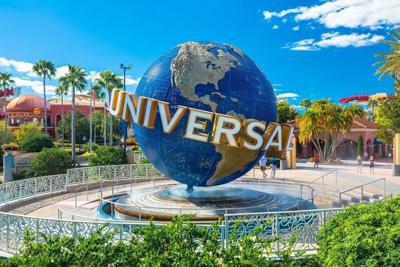


Photo provided by DepositPhotos
Orlando attracted 75.3 million visitors in 2024. That number isn't just a milestone; it's an all-time record, nearly 2% above the city's previous high. For a destination that already topped every domestic tourism ranking, that kind of growth is hard to explain away.
But the story behind the number is more interesting than the number itself.
By the Numbers
Orlando's tourism industry now generates $94.5 billion in economic impact annually. It supports $6.7 billion in local and state tax revenue and 37% of all jobs in the region.
People are also reading…
At the same time, Canadian travel to Orlando dropped 15.5% in early 2025, driven by geopolitical tensions and shifting travel sentiment. That's a meaningful dip in one of Orlando's most reliable international markets.
American domestic families filled that gap entirely.
Why Families Keep Coming Back
As of late 2024, Orlando ranked as the number one U.S. leisure destination that households with children planned to visit in the next two years. No other city came close.
The reasons aren't complicated. Orlando offers more concentrated family entertainment than anywhere else in the country. Epic Universe opened in 2025, adding a major new draw to an already stacked lineup. Disney has committed $60 billion in future investment to its Orlando properties. Year-round warm weather means families aren't limited to summer windows.
Nearly 8 in 10 U.S. adults planned a vacation in the next 12 months, according to the Visit Orlando 2025 Traveler Sentiment Report. That figure represents a 7% increase from the prior year. Orlando is positioned to capture a large share of that demand, particularly among families with children who are making multi-year plans.
The Domestic Family Factor
The drop in Canadian visitors could have dented Orlando's 2024 numbers. It didn't. That tells you something specific about the strength of domestic demand.
American families are not treating Orlando as a backup option. They're choosing it first. The data from Visit Orlando's consumer research makes that clear. Families with children ranked Orlando above every other U.S. leisure destination when asked where they planned to travel.
That preference has staying power. Unlike international travel, which responds sharply to currency fluctuations and diplomatic friction, domestic family travel is shaped more by habit, loyalty, and perceived value. Orlando scores well on all three.
How to Lock In Value Before Summer Demand Peaks
Record visitation creates real pricing pressure. Theme park tickets, on-site resort rooms, and dining packages at major parks all carry premium pricing that rises with demand. Families who plan ahead manage those costs better than families who wait.
A few strategies that work:
- Book accommodations away from the theme park price corridors. Hotels in Orlando, Florida that operate independently of the major parks often deliver comparable amenities at lower price points, with easier access to multiple attractions rather than tying your stay to one.
- Travel in shoulder windows. Late August, September, and early January see lower crowds and better room rates than peak summer or holiday weeks.
- Buy tickets in advance. Most Orlando parks offer lower prices for tickets purchased online weeks ahead of your visit compared to at-the-gate pricing.
- Set a daily budget before you arrive. Orlando is designed to encourage spending. Families who enter with a clear daily number tend to stay closer to it.
Why This Matters for American Families
Orlando's 2024 record reflects something broader happening in American travel. Domestic leisure spending is growing. Families are planning further ahead. And they're concentrating their spending in destinations that offer high value and proven experiences rather than experimenting with unfamiliar locations.
That shift is showing up in tourism data across the country. For families weighing their next vacation, Orlando's numbers signal that this is where American households are putting their vacation dollars in 2026 — and the momentum shows no signs of slowing.