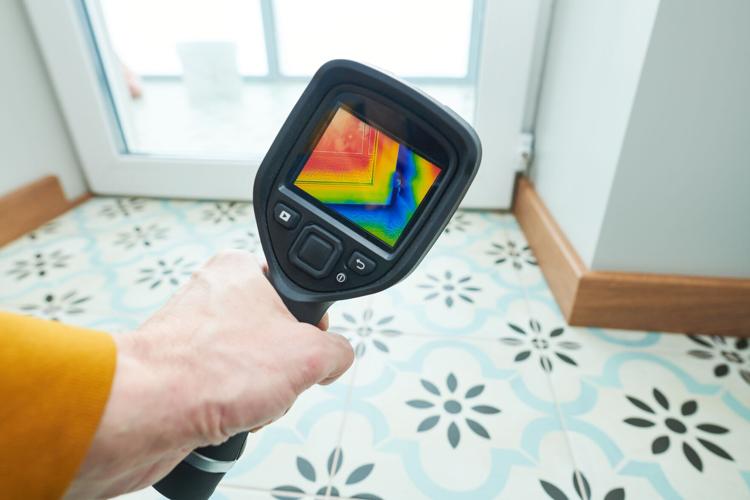


The buzzword this winter is “weatherization,” and with good reason. Weatherizing your home protects from frigid outside temperatures in winter and sweltering heat in summer — and saves money on utility bills. Here is what the experts at NYSERDA have to say about weatherization and how you can weatherproof your home today.
What is weatherization?
Weatherization is the process of air sealing and insulating your home to protect its interior from outside temperatures and moisture. By weatherizing, you can keep your home warmer in winter and cooler in summer. During Buffalo winters, this helps keep the cold out, improves heat retention, reduces energy use and enhances indoor comfort. It can also reduce the risk of unwanted issues like ice damming, mold growth and pest entry.
Why weatherization is important for homeowners
Weatherizing offers several benefits:
- COMFORT: Get rid of drafts, cold floors and stuffy rooms.
- SAVINGS: Lower energy bills by preventing energy loss.
- HEALTH: Improve air quality by keeping allergens, dust and pollutants out.
- PROTECTION: Protect your home against water damage that can cause mold and mildew.
- RESILIENT: A professionally sealed and insulated home stays warm for hours, even during a power outage.
What you can do to weatherize
The two most effective ways to weatherize your home are air sealing and insulating. This is especially true for older homes. Common places to air seal include the attic, around the chimney, where plumbing and ventilation enter the house, and around window and door frames. Common places to insulate are exterior and foundation walls and attics.
How do you know to weatherize?
Energy assessments are the best way to determine if you need to weatherize your home. A free virtual energy assessment tool is coming soon from NYSERDA. In the meantime, you can use the U.S. Department of Energy’s Do-It-Yourself guide to pinpoint issues. When you’re ready, you can apply for weatherization incentives, and a NYSERDA participating contractor will perform a comprehensive in-home assessment to identify ways to improve comfort and lower your bills, as well as any incentives you may be eligible for.
Rely on the pros for proper weatherization
While many homeowners can handle minor weatherization projects (such as replacing a door sweep or caulking around a window, for example), professional weatherization contractors have the tools and experience to inspect hard-to-reach places, ensuring all potential energy-wasting issues are addressed, maximizing energy savings.
How you can save
Various financial incentives are available to homeowners. These significantly reduce the cost of upgrades, making it more affordable to air-seal and re-insulate your home. Income-eligible households may qualify to have 100% of the cost of upgrades covered. You can also finance any project costs with a low-interest loan from NYSERDA starting at 4%.
The big takeaway: Home energy savings
Weatherizing your home is a wise investment. Start by pinpointing where your home is losing energy. Then, explore the available weatherization programs to see what incentives you may be eligible for.
This content is for informational purposes only and should not be construed as financial advice. Please consult a finance professional for financial advice. The views, thoughts and opinions expressed in this content belong solely to the advertiser and do not represent the views of Brand Ave. Studios or its parent company.